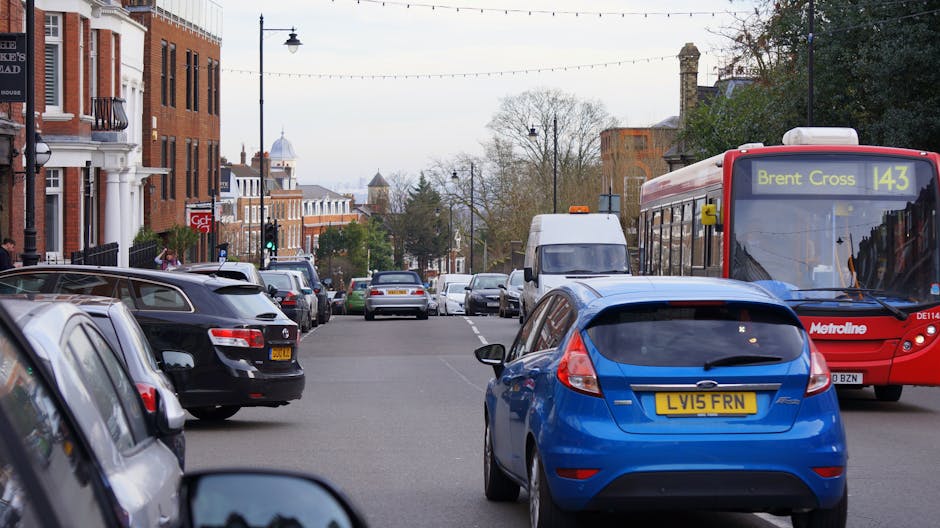
Cheap rubbish clearance rates in Brent Cross what to know

If you are trying to clear rubbish in Brent Cross without overspending, you are not alone. Most people want the same thing: a fair price, a quick turnaround, and no nasty surprises when the van turns up. The phrase Cheap rubbish clearance rates in Brent Cross what to know sounds simple, but the real answer depends on what you are moving, how much there is, how fast you need it gone, and whether the job needs extras like labour, permits, or specialist disposal.
This guide breaks the whole thing down in plain English. You will learn how rubbish clearance pricing usually works, which costs people often miss, when a cheaper option is actually the best option, and when it is not. We will also cover local practicalities, compliance, and the sort of common-sense checks that save money. Truth be told, a low headline price is only useful if it stays low after the job starts.
Why Cheap rubbish clearance rates in Brent Cross what to know Matters
Rubbish clearance is one of those jobs that looks straightforward until you start pricing it. A pile of black bags, some old furniture, a broken wardrobe, maybe a pile of builder's offcuts in the corner of the driveway - suddenly you are comparing options that sound similar but are priced very differently. That is why understanding cheap rubbish clearance rates in Brent Cross matters before you book anything.
In a busy North London area like Brent Cross, timing and access can affect the final cost just as much as volume. A narrow road, limited parking, a shared access gate, or a job that needs two people instead of one can all change the quote. If you only compare the cheapest headline number, you can end up paying more later. It happens all the time, honestly.
There is also a practical reason to get it right: rubbish left too long becomes more than an eyesore. It gets in the way of DIY work, slows down house moves, blocks garages, and can make a simple declutter feel like a proper drain. The right clearance option should clear the space, save your time, and give you a price you can actually plan around.
Key point: cheap should mean good value, not just the lowest quote on paper.
How Cheap rubbish clearance rates in Brent Cross what to know Works
Most rubbish clearance pricing is built around a handful of factors: volume, weight, labour, access, waste type, and urgency. A provider may quote by load, by item, by collection time, or by a combination of all four. That is why two seemingly similar jobs can come out at very different prices.
For example, a few pieces of bulky waste may be quick to remove but awkward to carry. On the other hand, a larger mixed load might be easier to collect if it is already bagged and stacked neatly. You will often notice that preparation matters just as much as the amount of waste itself.
Some jobs are better suited to rubbish removal, while others are more cost-effective with a skip or even grab hire services. The smartest choice depends on the site, the waste, and how much lifting you are willing to do yourself. If you are clearing a property with restricted parking or a short access window, a wait and load skip hire arrangement can sometimes make a lot more sense than leaving a skip in place.
Here is the part many people miss: clearance pricing is often influenced by what the company can recycle, reuse, or separate easily. Mixed waste usually needs more sorting. Clean, separated waste is simpler. Simpler jobs are usually cheaper. No great mystery there.
When you compare providers, ask whether the price includes:
- collection and loading
- labour for heavier items
- disposal and recycling
- parking or access time
- same-day or urgent collection
- special item handling
If you want a broader sense of pricing structure before you book, it is worth looking at the site's pricing and quotes information and checking the service options that fit your load. For some homes, domestic skip hire may be the more predictable choice; for others, especially smaller clear-outs, a direct clearance service can be quicker and tidier.
Key Benefits and Practical Advantages
There is a reason people keep searching for cheap clearance options rather than just the nearest one. A well-priced rubbish collection service should solve a real problem without creating a new one. Done properly, it can feel oddly relieving. The space opens up, the dust settles, and suddenly the room looks usable again.
The main benefits are fairly straightforward:
- Better budgeting: you know what the job is likely to cost before it starts.
- Less stress: someone else handles the lifting, loading, and disposal.
- Faster turnaround: useful when you are moving, renovating, or facing a deadline.
- Cleaner finish: a proper clearance leaves the area usable, not half-finished.
- More appropriate disposal: good providers sort recyclable material and handle waste responsibly.
There is also a hidden benefit: the right service can reduce the risk of injury. Anyone who has tried to drag a damp mattress down a narrow staircase on a rainy afternoon knows exactly what I mean. Some jobs are just better left to professionals with the right kit.
If you are dealing with heavier or awkward waste, you may also want to compare man and van collection with a standard clearance job. For commercial spaces, commercial skip hire or office clearance may be more efficient depending on the volume and type of waste.
Who This Is For and When It Makes Sense
Cheap rubbish clearance rates in Brent Cross are relevant to more people than you might expect. The obvious use cases are house clear-outs and renovation waste, but there are plenty of smaller, everyday situations too.
This kind of service makes sense if you are:
- clearing out a flat, house, loft, garage, or shed
- disposing of old furniture, broken appliances, or general junk
- removing waste after DIY or light building work
- getting a property ready for sale or new tenants
- dealing with a business move or office refresh
- tidying a garden after pruning, landscaping, or seasonal work
For garden jobs, you may find that garden waste removal is simpler than over-ordering a skip. For household contents, house clearance or garage and loft clearance can be a better fit when items are bulky and mixed.
It also makes sense when you want predictability. Maybe you do not want a skip taking up space outside for days. Maybe you do not want to guess how many cubic yards your clutter fills. Or maybe, to be fair, you just want the thing gone before the weekend and you do not fancy becoming your own waste manager. Understandable.
Step-by-Step Guidance
If you want a sensible deal, do not start with the lowest quote. Start with the clearest brief. That one change alone can improve pricing and reduce problems later.
- List the waste type. Separate general rubbish, furniture, green waste, appliances, and construction debris if you can.
- Estimate the volume. Think in terms of how many bags, boxes, or large items you have, not just "a bit of stuff".
- Check access. Is there parking close by? Is there a stairwell, lift, or long carry distance?
- Decide on speed. Do you need same-day collection, or can you plan ahead?
- Ask what is included. Labour, loading, disposal, recycling, and extra charges should all be clear.
- Confirm restrictions. Some waste requires special handling, and some items cannot go in standard collections.
- Compare like with like. Make sure each quote includes the same scope, otherwise it is apples and pears.
- Book the best fit. Choose the option that balances cost, convenience, and the practical shape of the job.
If your waste is mostly builder's debris, compare it with builders skip hire or builders waste removal. If the job is part of a larger refurbishment, construction waste disposal and construction waste clearance may be more suitable. For demolition-heavy jobs, the scale changes again, and demolition waste removal is usually the better conversation to have.
Expert Tips for Better Results
There are a few easy ways to keep the rate down without cutting corners. Nothing fancy. Just sensible prep and a bit of thinking ahead.
- Pre-sort what you can: separating clean recyclables from mixed waste can help keep the job straightforward.
- Break down bulky items: flat-pack what you safely can, especially cardboard, shelving, and some furniture.
- Keep the access clear: move cars, open gates, and make the route to the waste as simple as possible.
- Be honest about waste type: misdescribing the load can trigger extra charges or delays.
- Choose the right service for the site: a skip is not always cheapest if space is tight, and a clearance team is not always best if you can load yourself.
One practical tip people overlook: if you are clearing a property with valuables, paperwork, or confidential material, separate those first. For paperwork and records, a specialist option such as confidential shredding is much safer than letting sensitive bits end up mixed in with general rubbish.
And if timing matters, ask whether same-day skip hire or a quick-turnaround collection is available. Sometimes the cheapest option on paper is not the cheapest overall if it means you need to take another day off work. That's the bit people forget, then regret later.
Common Mistakes to Avoid
Cheap rubbish clearance rates can be genuine value, but a few common mistakes make them look more expensive than they are. The first is comparing prices without checking what the quote includes. A low number can hide loading fees, minimum charges, or item-based surcharges.
The second mistake is guessing the waste type. A mixed pile of household junk, masonry, and electricals is not the same as a pile of old chairs. If you describe everything as "general rubbish", then discover there is rubble, plasterboard, or appliances mixed in, the quote may change. Fair enough, really.
The third mistake is forgetting access. A long carry from the road, restricted parking, or a locked communal entrance can turn a quick job into a longer one. That extra time usually matters.
Other problems to watch for:
- not checking whether a permit is needed for a skip on the road
- overfilling a skip or leaving waste above the rim
- mixing prohibited waste with normal rubbish
- booking the wrong size and paying twice
- assuming all providers recycle in the same way
For road-based skips, it is worth reading up on skip hire permits and skip permits before you commit. That can save a lot of awkwardness later, especially if the skip needs to sit on public land.
Tools, Resources and Recommendations
You do not need a toolbox full of software to manage rubbish clearance well. But a few practical tools and resources help you make better decisions and avoid overpaying.
Useful things to have to hand:
- a rough room-by-room list of what is being removed
- a tape measure for bulky furniture or site access
- photos of the waste pile from a few angles
- notes on stairs, parking, gates, and loading distance
- a separate list for anything fragile, confidential, or hazardous
If you are not sure what can be taken in one load, check what can go in a skip. That guide is especially useful if your waste is mixed and you are trying to avoid delays or extra disposal issues.
For larger or messier jobs, you might compare a few approaches: skip hire, grab lorry hire, man and van, or direct rubbish removal. Each has a different shape and cost profile. The right one depends on the site, not just the pile.
For environmentally minded customers, take a look at recycling and sustainability. It is not just a nice extra. Better sorting can keep more waste out of landfill and may also support more efficient pricing in some cases.
Law, Compliance, Standards, or Best Practice
Waste removal in the UK is not something to treat casually. You do not need to become a compliance expert, but you do need to understand the basics. Household waste, business waste, and specialist waste all come with different expectations around handling and disposal.
As a rule of thumb, a reputable provider should be clear about where waste goes, how it is handled, and what cannot be accepted in a standard collection. If a load includes items such as fridges, solvents, chemicals, asbestos, or other hazardous materials, it needs specialist treatment. Do not tuck that kind of thing into a mixed pile and hope for the best. That is never a good idea.
For extra peace of mind, you can check company information pages such as health and safety policy, insurance and safety, and terms and conditions. Those pages help you understand how the service is run and what the practical boundaries are.
Best practice usually means:
- describing the waste accurately
- keeping prohibited items separate
- following loading instructions
- checking permit requirements for roadside placement
- using a provider that explains its disposal process clearly
If you need to dispose of specialist items, look at hazardous waste disposal, fridge and appliance removal, or mattress and sofa disposal. Those services exist for a reason: not everything belongs in a mixed waste load.
Options, Methods, or Comparison Table
If you are trying to keep costs under control, comparing the main options side by side is often the fastest way to decide. Cheap rubbish clearance does not always mean the cheapest single service. Sometimes it means the cheapest whole-job solution.
| Option | Best for | Typical advantage | Possible downside |
|---|---|---|---|
| Rubbish removal | Mixed household waste, bulky items, quick clear-outs | No need to load a skip yourself | Can cost more for larger jobs |
| Skip hire | Ongoing DIY, renovations, predictable waste volume | Flexible loading over time | Needs space and sometimes a permit |
| Wait and load | Tight access, short parking windows, roadside work | No skip left on site | You need to be ready when the team arrives |
| Grab lorry hire | Heavy, loose, or awkwardly stacked waste | Good for fast collection of larger volumes | Less ideal for very small loads |
| Man and van | Furniture, loft clears, one-off removals | Useful when labour is the main issue | May not suit heavy construction waste |
For construction-focused work, the best fit is often one of the site-specific options such as site clearance or construction waste disposal. If you need security as well as disposal, an enclosed and lockable skip hire option can be worth the extra thought.
Case Study or Real-World Example
Let's say a small flat near Brent Cross has been lived in for years and the owner wants a proper reset before a move. There are three broken chairs, a dismantled wardrobe, several bags of general rubbish, an old microwave, and a pile of cardboard from recent online orders. Nothing extreme, but enough to be annoying every time you walk past it.
At first glance, the cheapest answer might look like a tiny skip. But the flat has limited parking and no easy place to leave one safely. A wait-and-load arrangement or a direct rubbish removal collection may actually be better value because it avoids permit worries and a long outdoor placement. On the other hand, if the owner has two more rooms to clear over the next week, a domestic skip hire option could work out more efficiently.
Now take a different example: a contractor has rubble, timber, plasterboard, and packaging from a bathroom refit. Here, the cheapest choice is rarely the same as for household junk. A dedicated builders option, such as builders skip hire, builders waste removal, or construction waste clearance, is usually easier to plan and less likely to cause a headache mid-project.
The lesson is simple: the cheapest rate is the one that fits the job properly. Not the one that looks clever in a list, then turns awkward on the day.
Practical Checklist
Before you book, run through this checklist. It takes a few minutes and can save a lot of back-and-forth.
- Have I listed every type of waste, including awkward items?
- Do I know roughly how much there is?
- Is the access clear for collection?
- Do I need the job done urgently?
- Am I comparing like-for-like quotes?
- Have I checked whether a permit may be needed?
- Are any items hazardous, confidential, or specialist?
- Have I separated reusable or recyclable items where sensible?
- Do I know what is included in the price?
- Have I checked the provider's service pages and terms?
If you are ready to move from planning to booking, you can book online once you have the details straight. That usually makes the whole process smoother, especially if you want the job arranged without a long phone chain. And if you want to understand the company a bit better first, the about us page is a useful place to start.
Get a free quote today and see how much you can save.
Conclusion
Cheap rubbish clearance rates in Brent Cross are absolutely possible, but only when you understand what is being priced. The best deal is not the lowest number in isolation; it is the service that matches the waste, the access, the timing, and the level of effort you want to avoid. That is the real trick.
If you keep the job description clear, compare the same scope across providers, and check for extras like permits or specialist disposal, you will be in a much stronger position. A little preparation goes a long way. It can be the difference between a tidy, stress-free clearance and a messy one with surprise charges attached.
So take your time, ask the slightly annoying questions, and choose the option that gives you proper value. Your space will feel better for it, and frankly, so will you.
Frequently Asked Questions
What affects rubbish clearance rates in Brent Cross the most?
The biggest factors are the amount of waste, the type of waste, how easy it is to access, whether loading labour is needed, and how quickly you want the job done. Mixed or awkward waste usually costs more than neat, easy-to-handle material.
Is rubbish removal cheaper than skip hire?
Sometimes yes, sometimes no. Smaller loads or bulky furniture can suit rubbish removal, while longer DIY projects often work out better with skip hire. The cheaper option depends on your waste volume, access, and how long you need the service.
Do I need a permit for a skip in Brent Cross?
If the skip is placed on public land or the road, a permit may be needed. If it is on private land with enough space, a permit is often not required. Always check before booking, because the placement changes the rules.
How can I keep my clearance costs down?
Sort the waste before collection, break down bulky items where safe, give an accurate description, and make access easy. A clear brief reduces the chance of extra charges. That part alone can save more than people expect.
What items should not go in a standard rubbish clearance load?
Hazardous materials, certain chemicals, some electrical items, and specialist waste often need separate handling. If you are unsure, ask before the collection day. It is much easier than trying to fix the problem afterwards.
Are same-day collections more expensive?
They can be, because urgent scheduling is less flexible. That said, if the alternative is delaying a move or a project, same-day service may still be good value. Convenience has a price, as you'd expect.
How do I know whether I need grab hire, skip hire, or rubbish removal?
Use grab hire for larger loose waste, skip hire for ongoing work or repeated loading, and rubbish removal when you want the team to do the lifting and loading. The access to your property often decides the answer more than anything else.
Can I put furniture with general rubbish?
Usually yes, but bulky furniture can affect the loading space and price. Sofas, mattresses, and appliances may also need specific handling, so it is worth checking the item list before booking.
What is the difference between house clearance and rubbish removal?
House clearance is usually broader and may involve clearing multiple rooms or a whole property. Rubbish removal is often better for a pile of mixed waste or a smaller one-off job. The right choice depends on the scope of the work.
Is it worth separating recyclable waste before collection?
Yes, if you can do it safely and sensibly. Cleaner separation can simplify the job and may reduce the amount of mixed waste to handle. It also supports better recycling outcomes, which is usually a good thing.
What should I ask before accepting a quote?
Ask what is included, whether labour and disposal are covered, if there are extra charges for access or heavy items, and whether any permits are needed. A good quote should feel clear, not slippery.
Where can I check service details before booking?
Look at pages such as pricing and quotes, what can go in a skip, and the relevant service pages for your job type. Those pages help you match the service to the waste without guesswork.